
Hoa Binh Province is considered the birthplace of the Muong with four major Muong regions, including Muong Bi (Tan Lac District), Muong Vang (Lac Son District), Muong Thang (Cao Phong District), and Muong Dong (Kim Boi District).
The Muong are indigenous residents who have long inhabited Hoa Binh. Through a long historical process, Muong culture has been formed, developed, and deeply rooted in the locals’ life. Muong culture is vividly manifested in customs, traditions, beliefs, language, cuisine, costume, festivals and folklore art. Many distinctive artistic and cultural values of the Muong, such as folk songs, chieng art, mo art, and the epic “De dat – De nuoc” (Giving Birth to the Earth and the Water) are still preserved and highly appreciated in the treasure trove of Vietnam’s ethnic cultures.
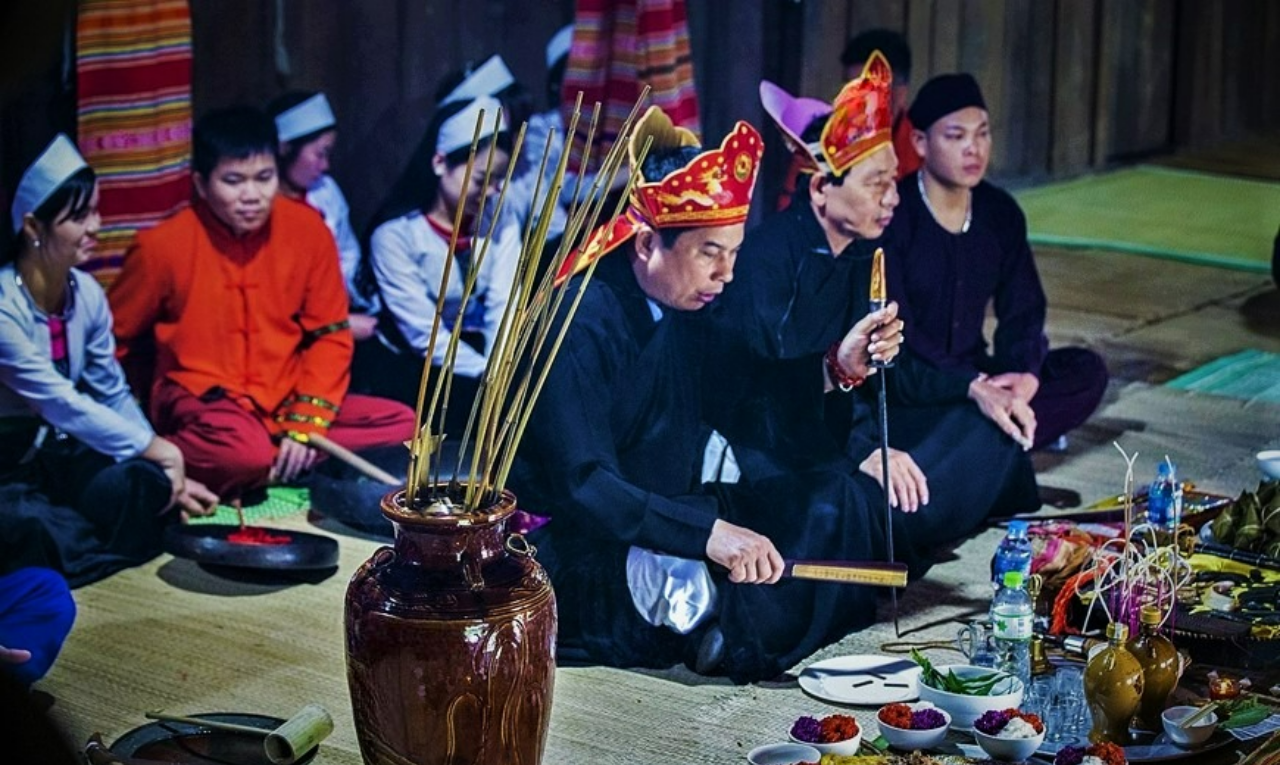
Long-standing rituals express belief in gods and wishes for favorable whether and bumper crops
The Muong in Hoa Binh worship their ancestors and practice polytheism. Shamans are respected people who perform religious rituals for families and the community. The Muong consider shamans messengers of the gods.
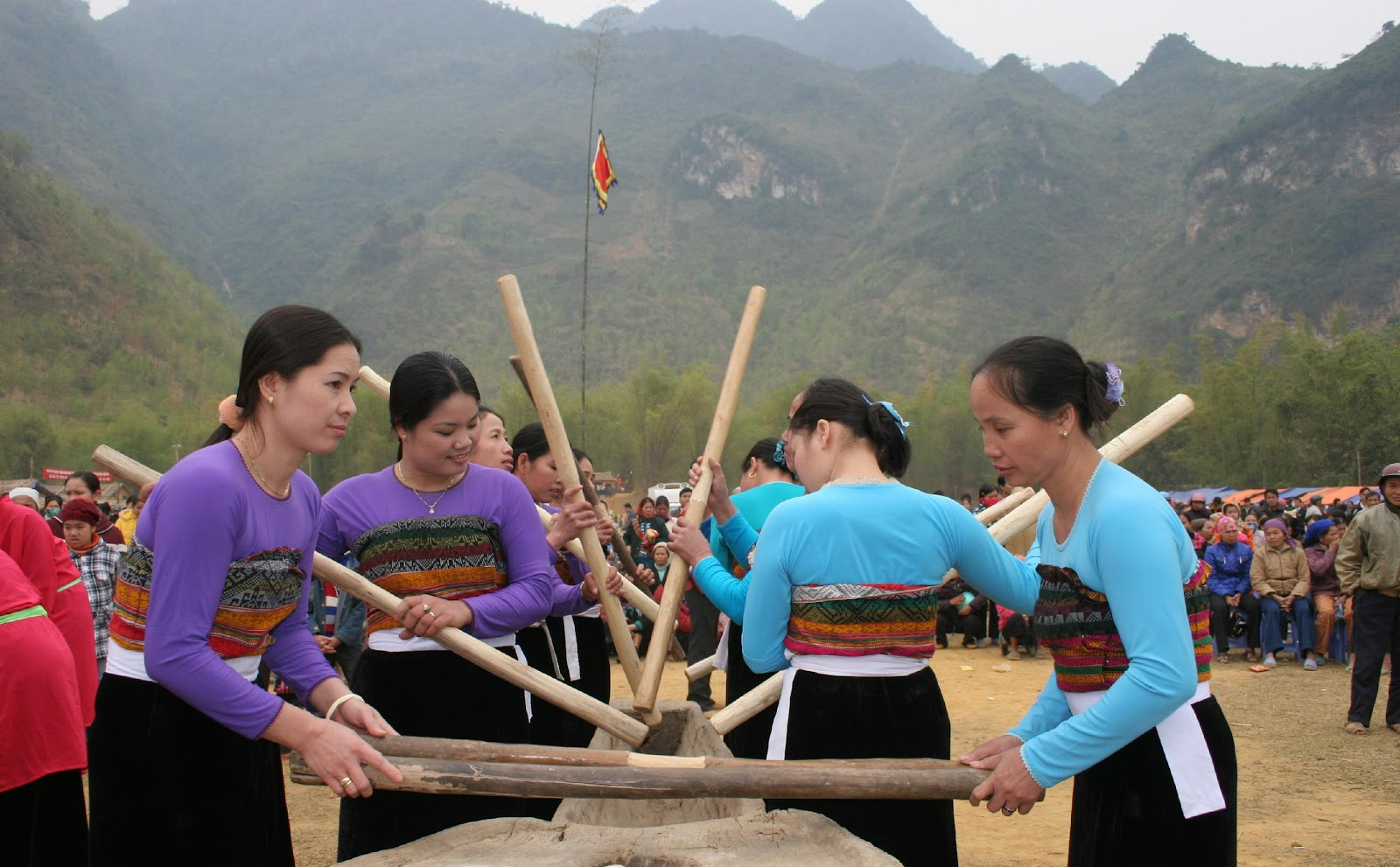
Spectacular festivals create community cohesion
For generations, the ethnic communities of Hoa Binh province, particularly the Muong people, have preserved vibrant festivals deeply intertwined with the region’s geography, nature, and social traditions. These celebrations enrich Hoa Binh’s spiritual life and cultural identity, reflecting both folk beliefs and the intermingling of ethnic customs. Many of these festivals have endured the test of time, passed down through generations and continuing to thrive today.
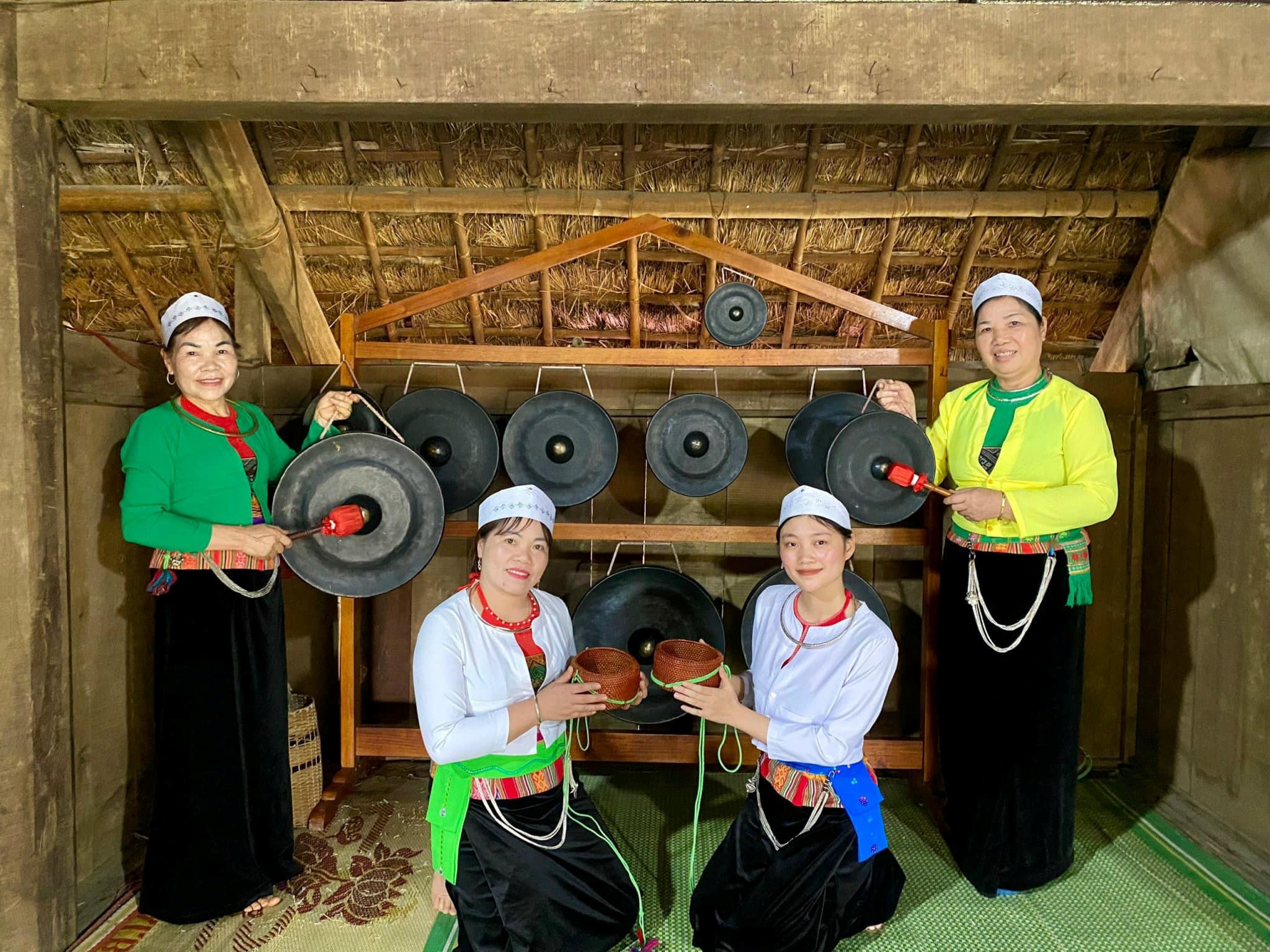
Gong art of Muong people
In their community cultural activities, the ethnic groups in Hoa Binh have many ways of presenting their distinctive folk art. On the occasion of New Year’s Festival or other festive events such as a new house inauguration, wedding ceremonies, “Xec Bua” or “Thuong Dang, Bo Meng” singing are often organized in praise of peaceful, happy of Muong villages, and also their wish and desire for a better and well-off life.
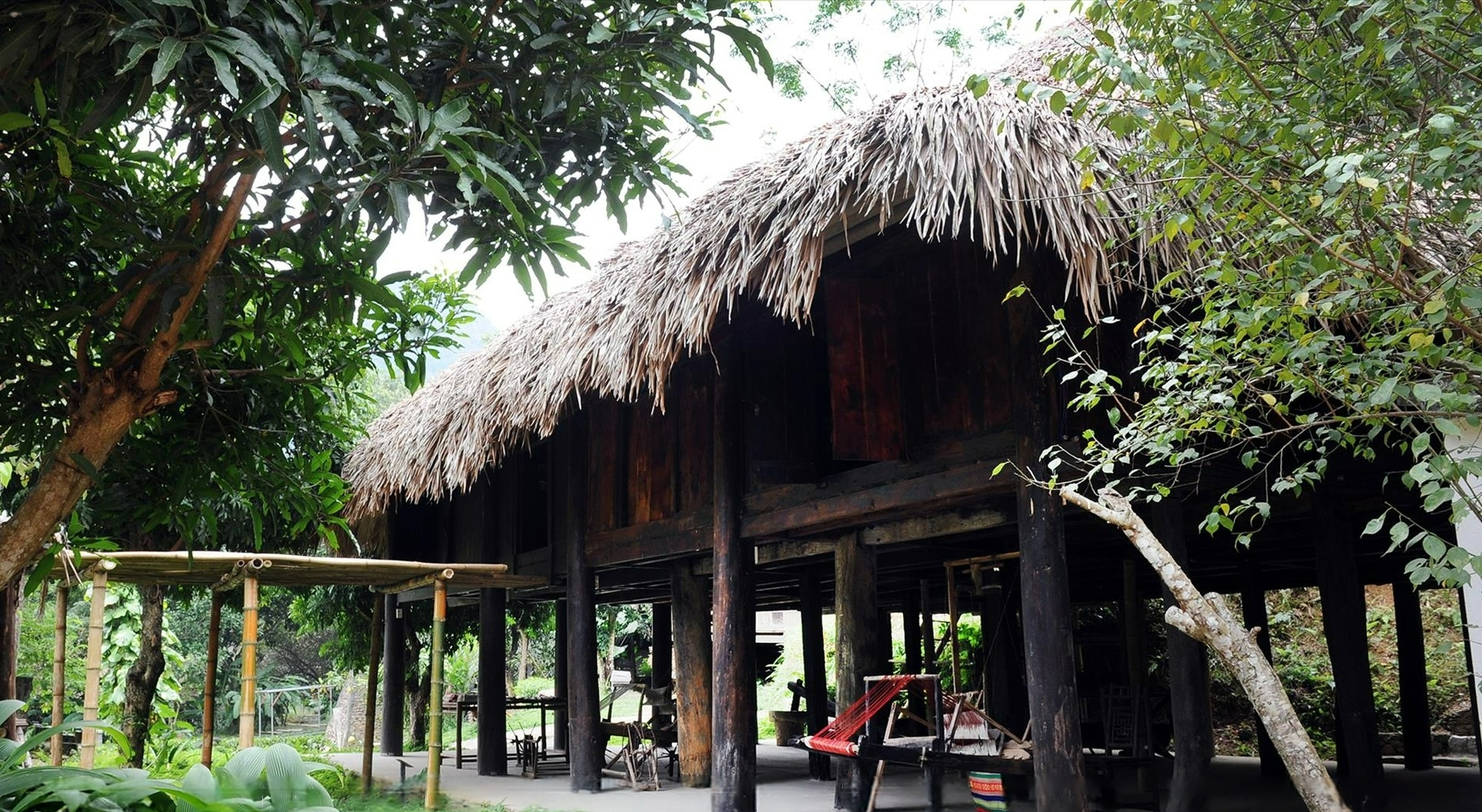
Traditional stilt houses of ethnic minorities
There is a story about the origin of these houses, says Nguyen Van Nam, a Muong elderly person in Binh Thanh Commune, Cao Phong District, Hoa Binh Province. One day, Lang Da Can, the first ruler of Muong people caught a turtle.The turtle begged for his life, and in return, offered to show him how to build a special kind of house.
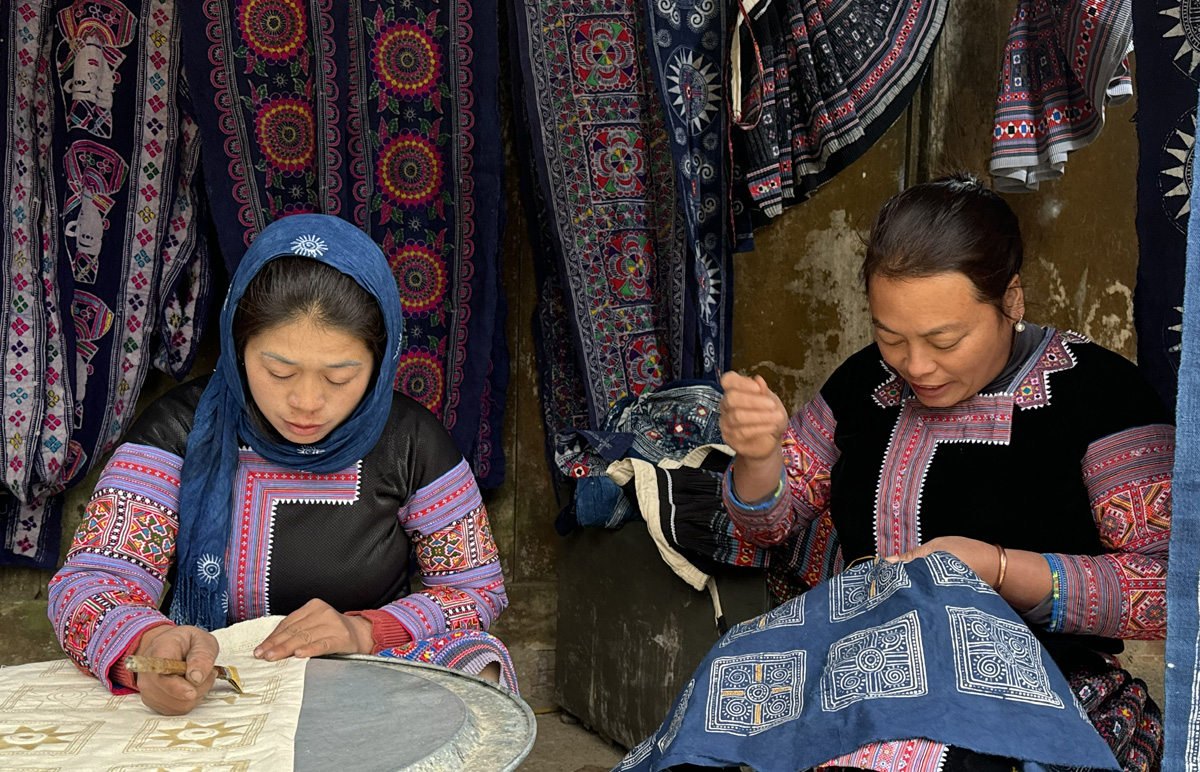
Original brocade costumes are made entirely by hand with natural materials
Brocade weaving has long been associated with the daily life of the Mong ethnic people in the two communes of Hang Kia and Pa Co. On holidays and Tet, Mong boys and girls wear brocade clothes, skirts, and white silver bracelets, bustling together to the markets, plum and peach gardens with colorful flowers to chat and meet.