
Located approximately 70km southwest of hanoi, hoa Binh Province is known as the “land of epics” and a concentrated residential area of the Muong ethnic people. For many generations, the Muong have built a rich and distinctive cultural heritage, contributing to the diversity of Vietnam’s ethnic cultures.
The Distinctive Imprint of the Muong Culture
Hoa Binh Province is considered the birthplace of the Muong with four major Muong regions, including Muong Bi (Tan Lac District), Muong Vang (Lac Son District), Muong Thang (Cao Phong District), and Muong Dong (Kim Boi District).
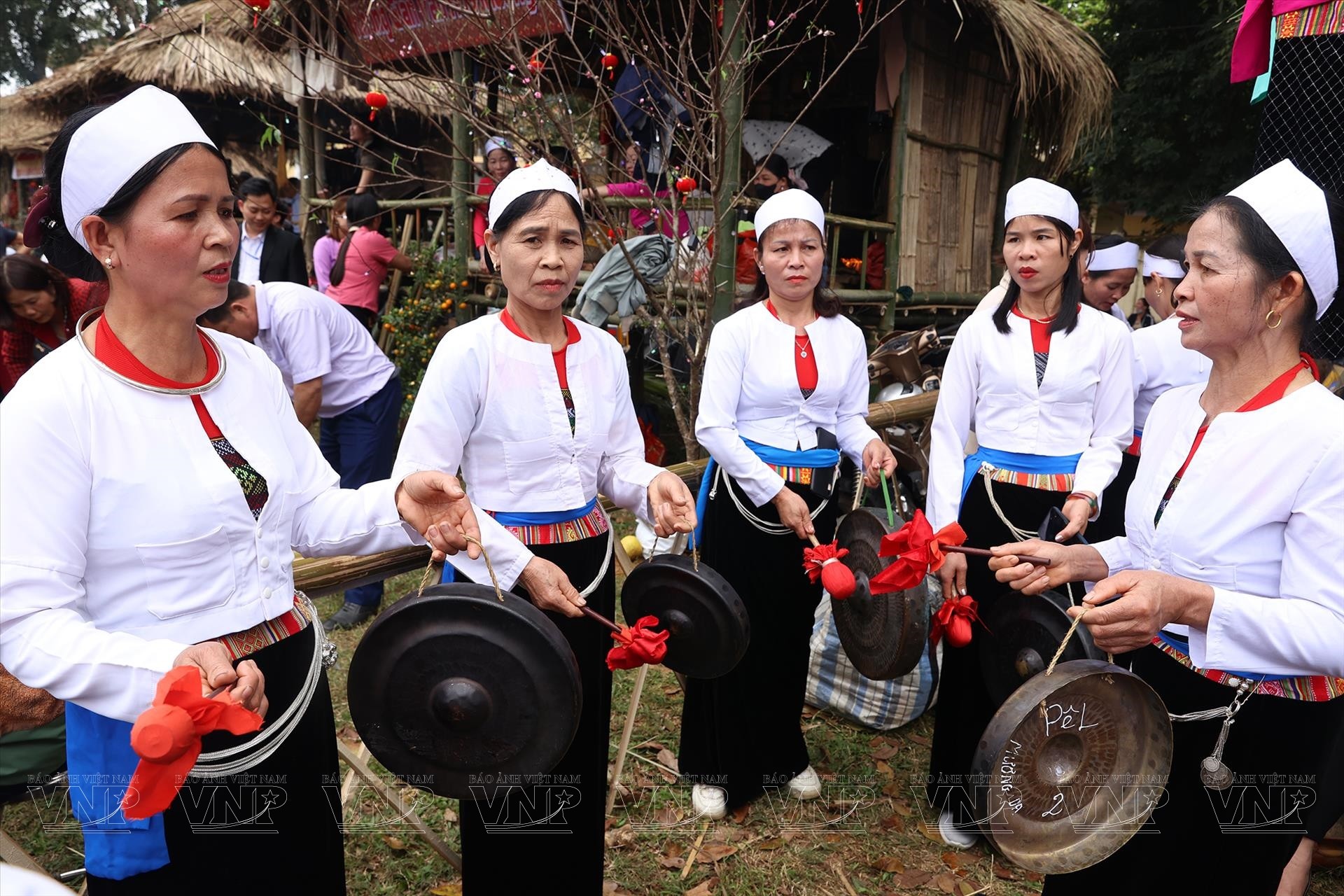
The Muong are indigenous residents who have long inhabited Hoa Binh. Through a long historical process, Muong culture has been formed, developed, and deeply rooted in the locals’ life. Muong culture is vividly manifested in customs, traditions, beliefs, language, cuisine, costume, festivals and folklore art. Many distinctive artistic and cultural values of the Muong, such as folk songs, chieng art, mo art, and the epic “De dat – De nuoc” (Giving Birth to the Earth and the Water) are still preserved and highly appreciated in the treasure trove of Vietnam’s ethnic cultures.
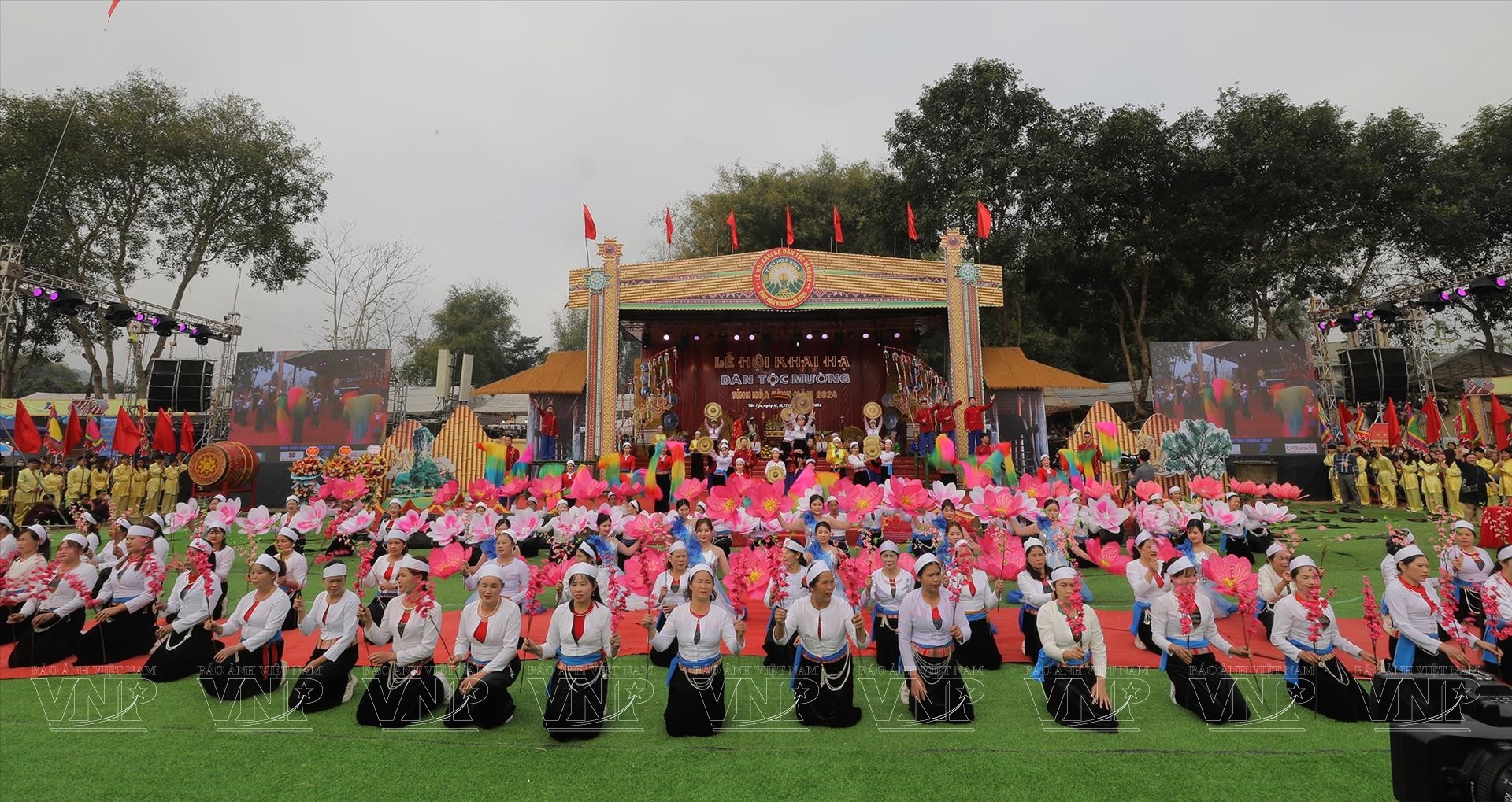
Scenic view of the Khai Ha Festival in Tan Lac District, Hoa Binh Province. Photo: Thanh Giang/VNP
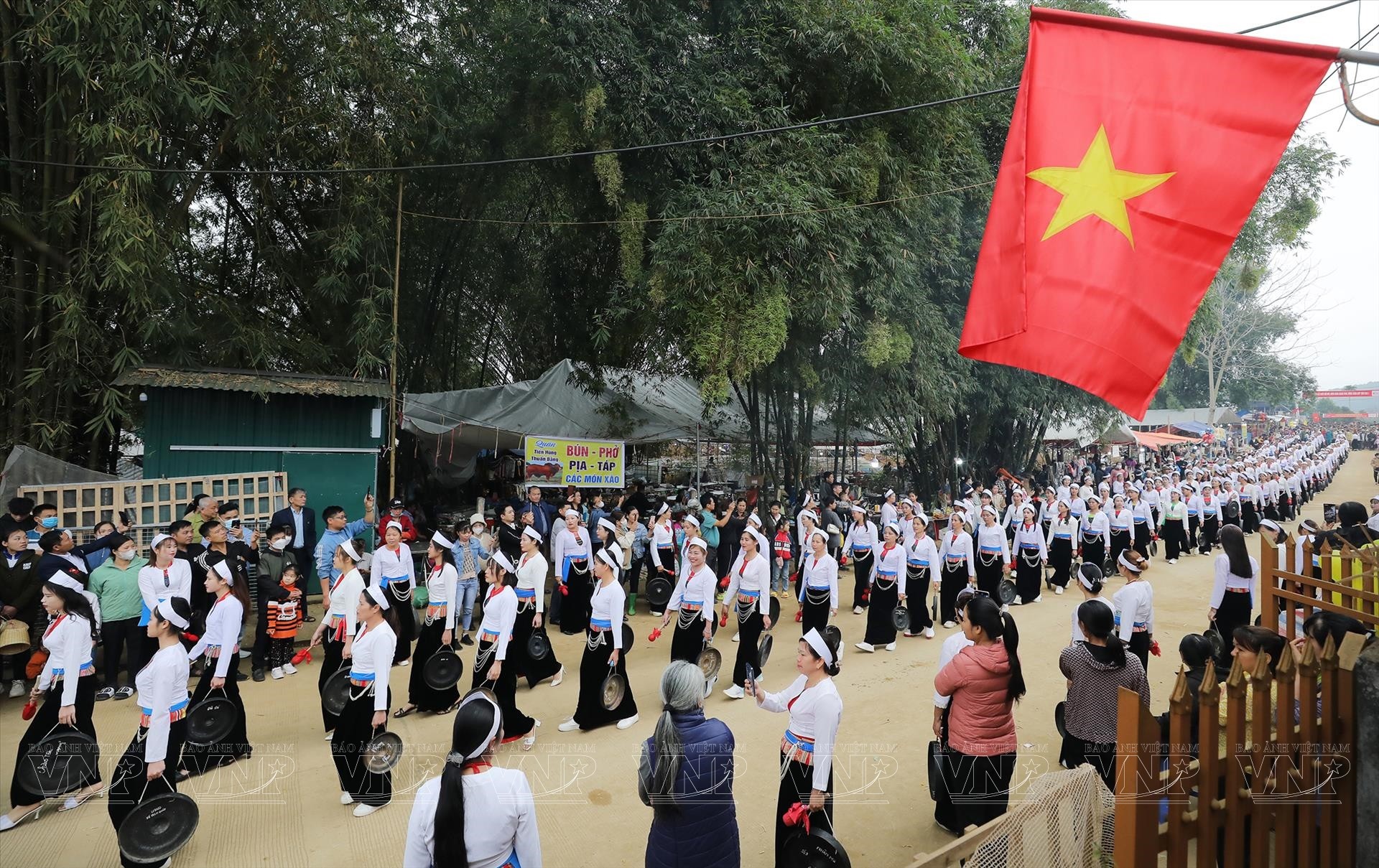
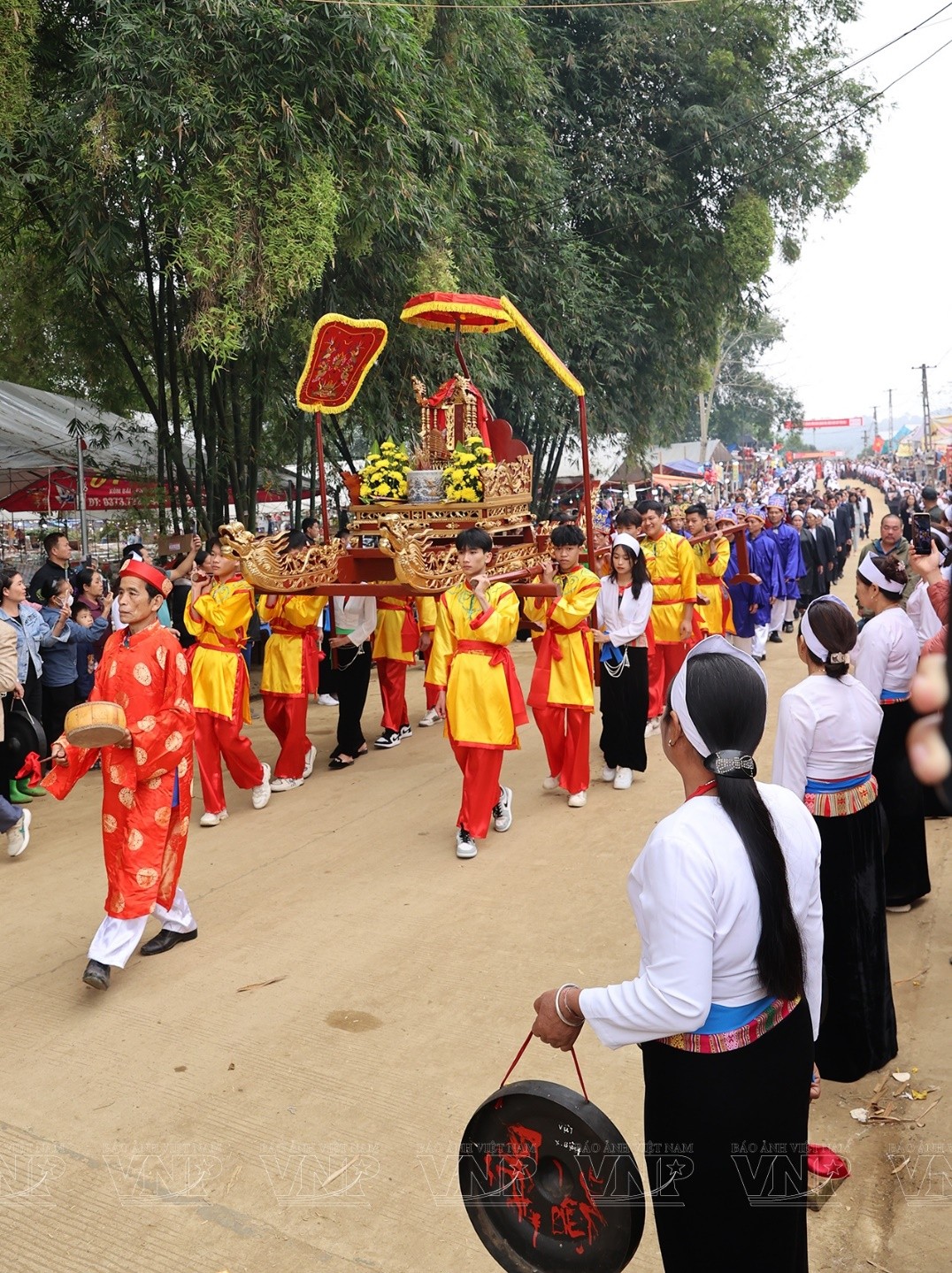
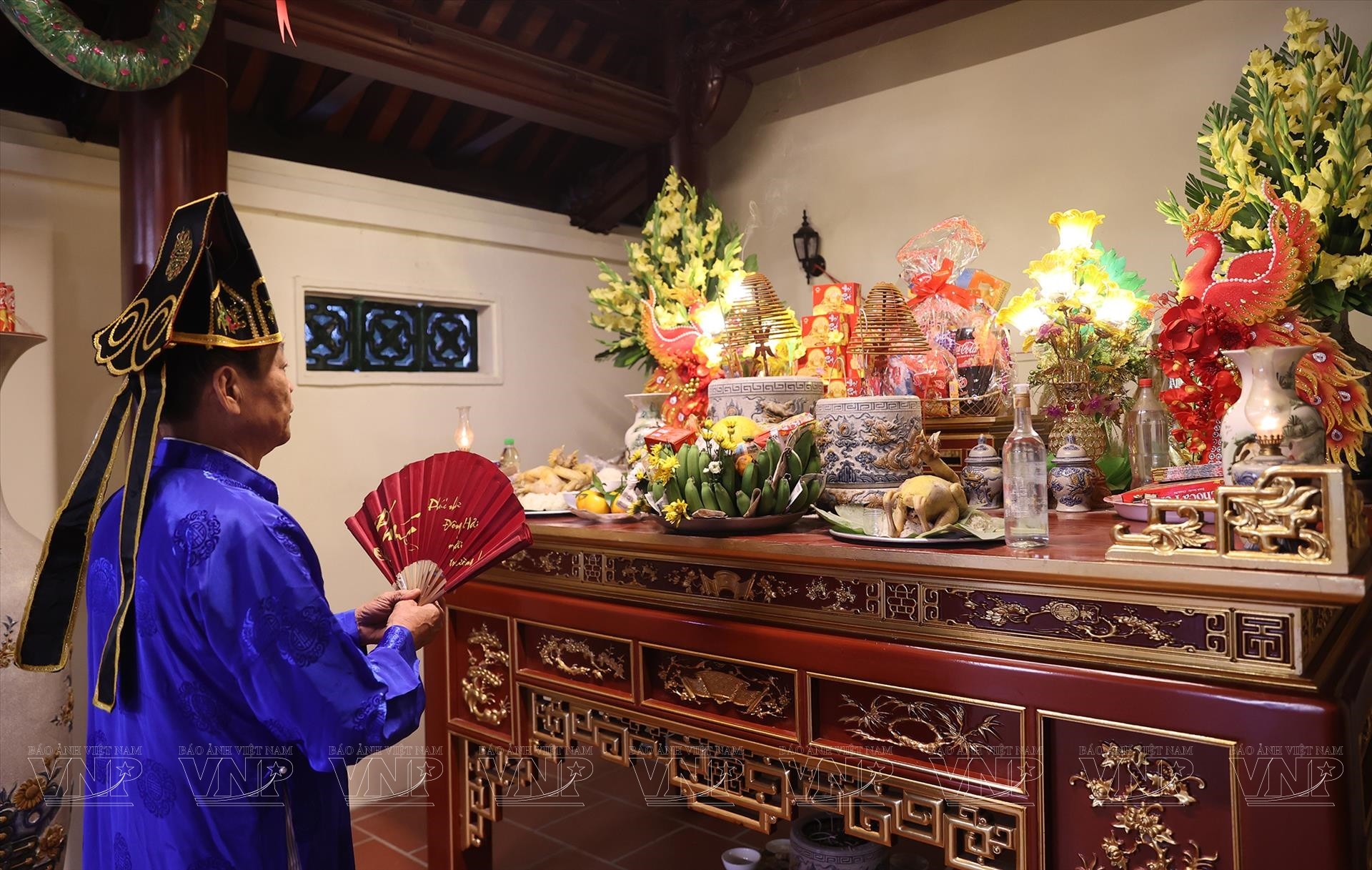
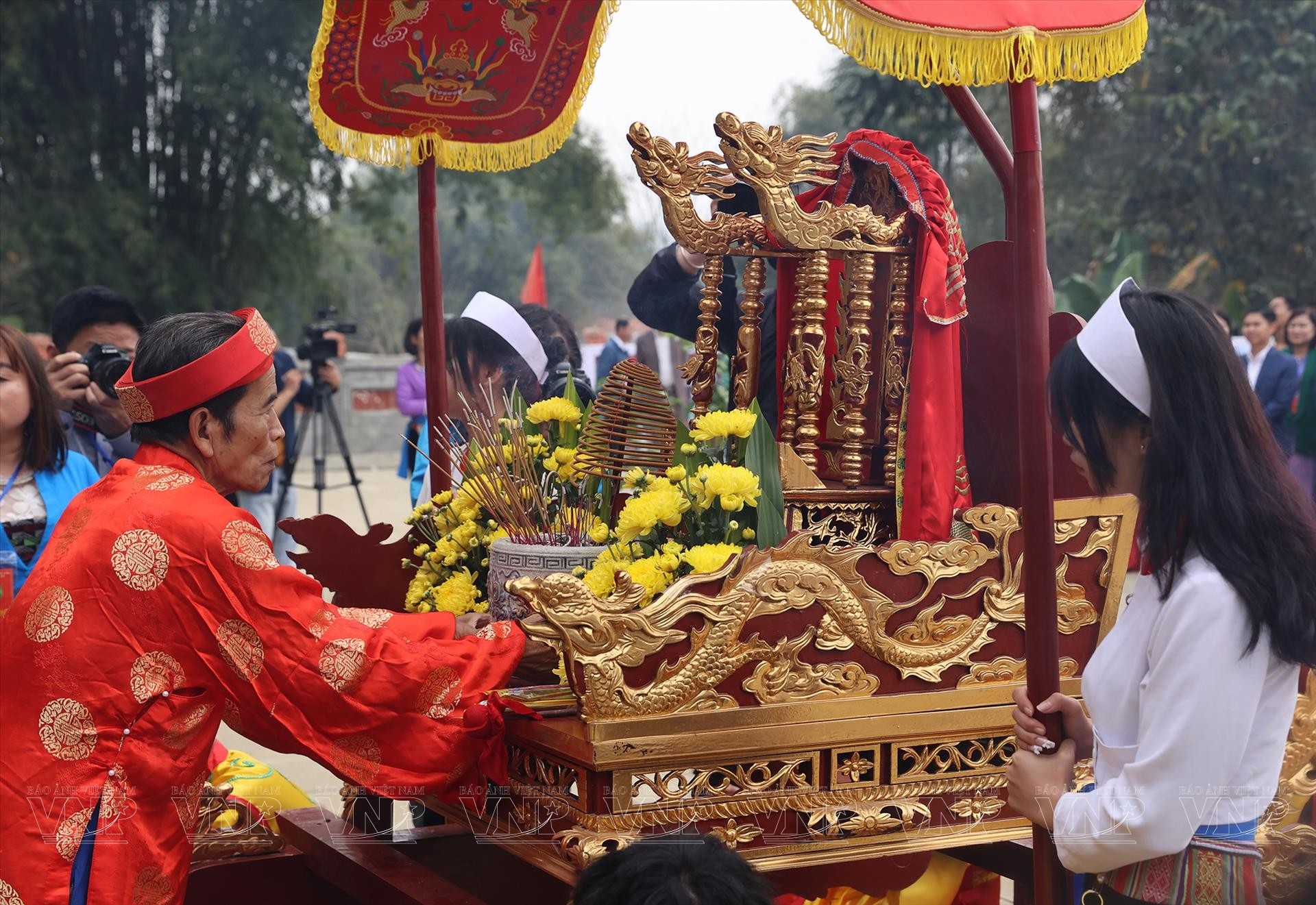
In early 2024, we had an opportunity to attend the traditional Khai Ha (going down to the field) Festival of the Muong in Tan Lac District, Hoa Binh Province. The festival, closely associated with rice agriculture with many imprints of ancient Vietnamese civilization, is held to express the respect for genies and commemorate those who reclaimed and established the land and Muong community, and pray for good weather, abundant harvests and a prosperous and happy life. Today, the Khai Ha Festival has become a distinctive cultural feature and an indispensable spiritual activity of the Muong in the province.
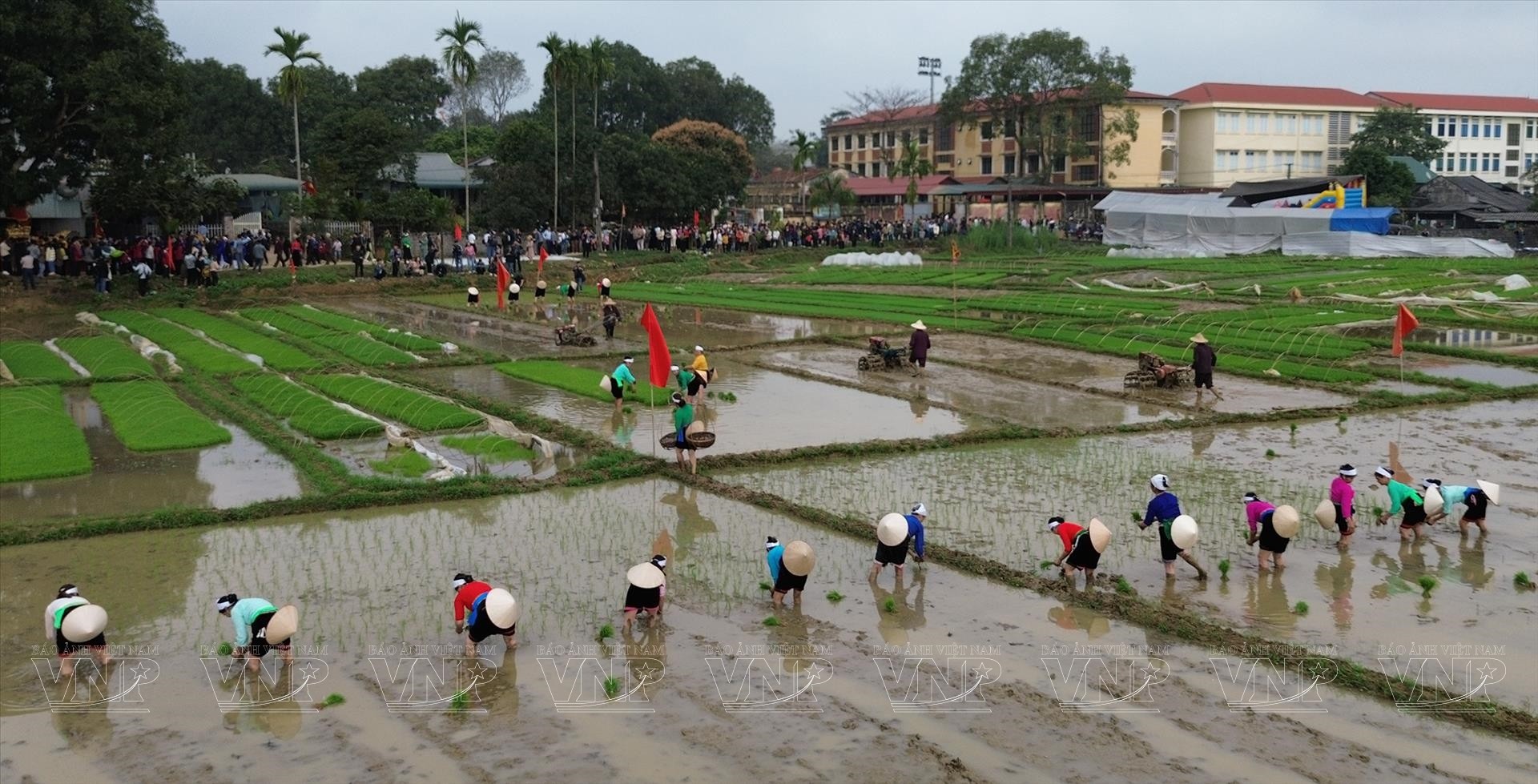
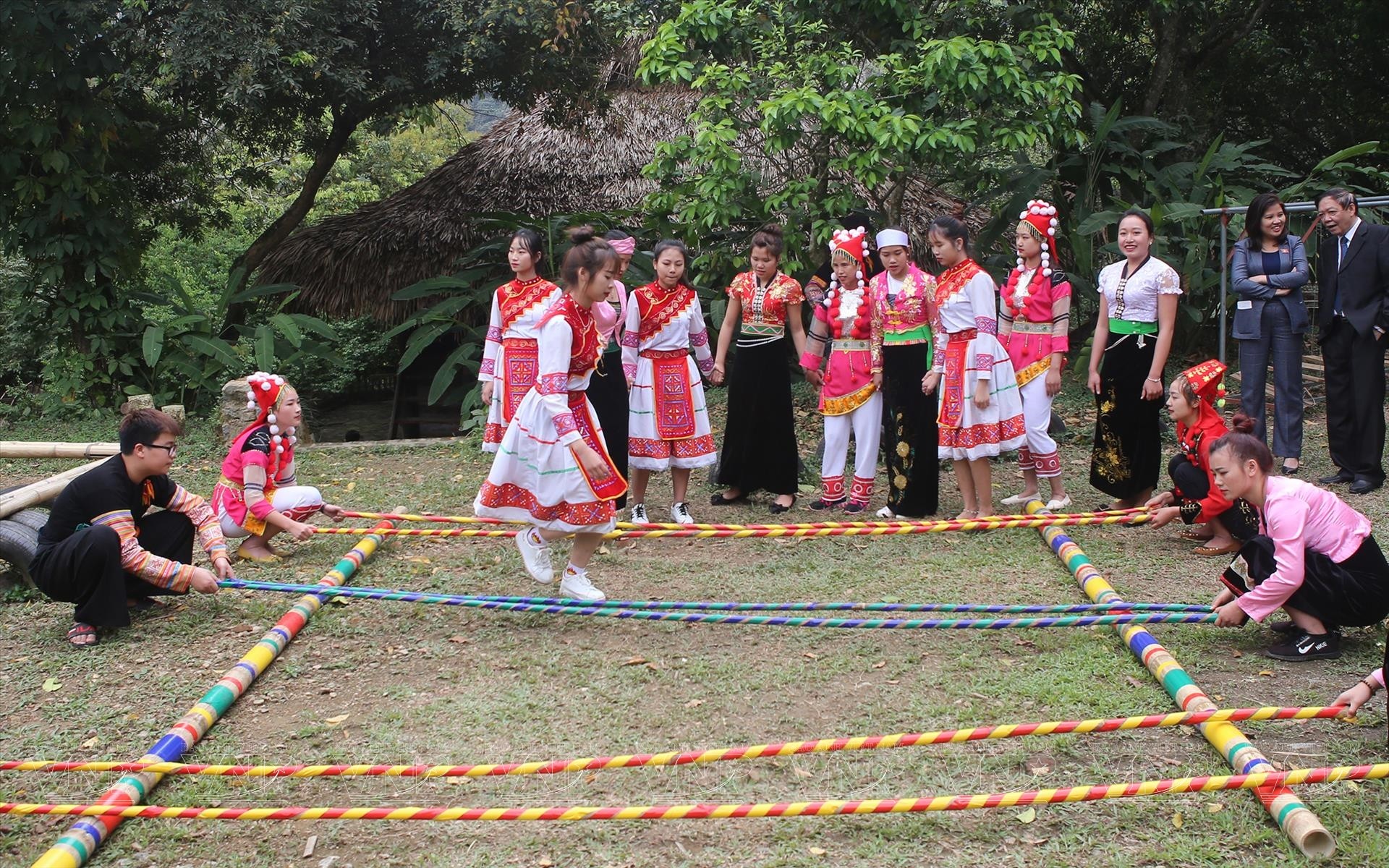
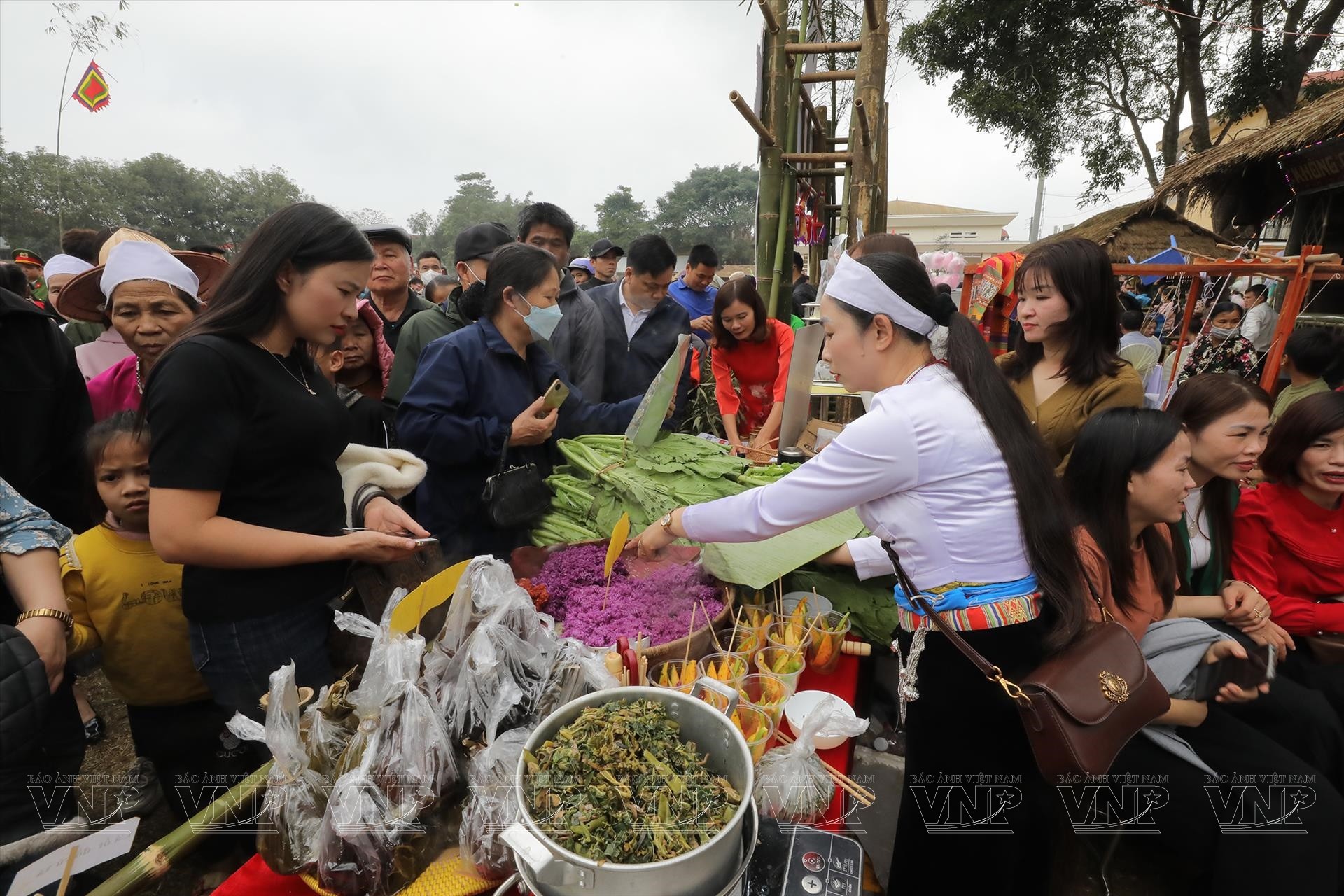
When speaking of Muong culture, it is important to mention their living space, especially the stilt houses. In Giang Mo Village, Binh Thanh Commune, Cao Phong District, the Muong live in traditional stilt houses. Currently, the village has over 100 old stilt houses. Nguyen Van Huyen, a resident of Giang Mo Village, said, “My homeland, the village, and the stilt houses are what I have been closely attached to throughout my life. Therefore, no matter what I do, I still have to preserve these things for future generations”.
The uniqueness and allure of Muong culture has attracted special attention from researchers and artists who have devoted time and effort to studying and understanding Muong culture for their research, creative work, collection, and preservation.
Visiting the Muong Cultural Space Museum located on Tay Tien Street, Thai Binh Ward, Hoa Binh City, we discovered a distinctive space showcasing Muong culture. Painter Vu Duc Hieu, the owner of the museum – the first private one in Vietnam dedicated to Muong culture – said, “Hoa Binh is the cradle of ancient Muong culture, so I wanted to create this cultural space on Muong land. Here, I recreated a miniature Muong society from over 100 years ago through original artifacts that showed the architecture, daily life, customs, and language. The artifacts exhibited in the museum may not be the most beautiful, the finest, or the most valuable, but they are the most authentic in the life of the Muong”.